 An official website of the State of North Dakota
B3 Explained: A New Forum for North Dakota’s Financial Leaders
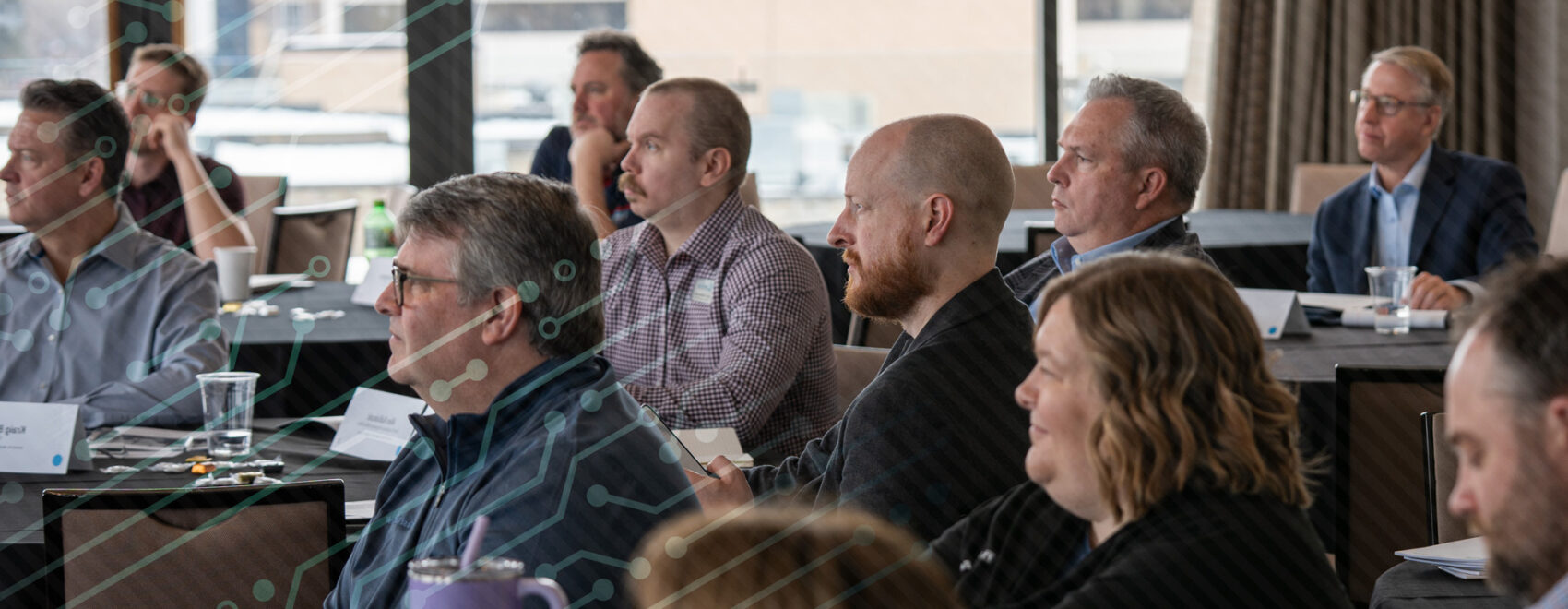
Banking Beyond Boundaries (B3) is an executive-level event designed to prepare North Dakota’s financial institutions for the future of financial services. Building on the success of the Banking Beyond Boundaries conference, B3 offers smaller, focused gatherings that spark candid dialogue, practical ideas, and actionable partnerships. Each B3 will explore different emerging trends such as fintech, digital payments, and policy innovation, so your institution is ready for what’s next.
Cadence
- Held twice a year.
Theme
- New theme for every B3.
Location
- Rotating across North Dakota communities.
Attendees
- Bank CEOs and executive-level staff. Limited space for maximum engagement.
Format
- Approximately three to four groups with 15 attendees per group. Each group will have a dedicated facilitator.
- Three to four presenters rotate among groups, delivering consistent insights while enabling deeper discussion.
- Designed for direct conversation and topic exploration, not vendor pitches.
Presenters
- Private companies driving financial service innovation
- Non-governmental or nonprofit organizations shaping policy and adoption
- Think-tank associations offering strategic foresight
- Regulatory authorities providing clarity and policy perspective
Length
- Evening social to kick off networking
- Day 1: Full session with presentations and roundtables
- Day 2: Wrap-up by noon
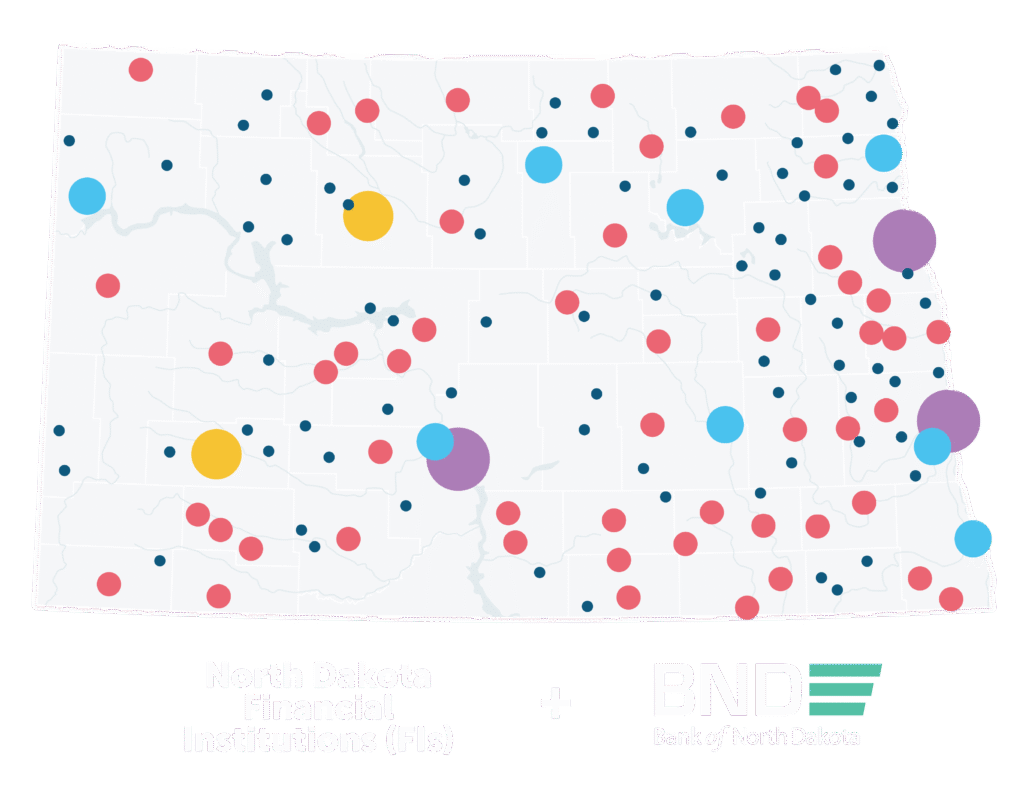
At B3, every financial institution in North Dakota has a seat at the table — community banks, credit unions, and other key players shaping the future of banking in our state and their communities.
Strengthening North Dakota’s Financial Infrastructure While Preserving Autonomy
B3 is about building a stronger, more resilient financial foundation for North Dakota. Every community and every financial institution across the state plays a role in reinforcing our financial infrastructure while maintaining the local decision-making that defines North Dakota’s independence.
Why Attend?
B3 positions you to anticipate industry trends and make informed decisions that protect and grow your institution. You’ll gain clarity on emerging technologies and regulatory changes, explore strategies that strengthen resilience, and engage in high-value dialogue with peers shaping the future of banking.
Cohort Format
The forum will feature four cohorts, each led by a different presenter. Attendees will be assigned to a cohort in a designated room and will remain in that space for the duration of the event, except during scheduled meals and breaks.
Presenters will rotate between rooms, delivering their presentations to each cohort sequentially. This format ensures an interactive experience while minimizing attendee movement.
We understand the fintech industry is evolving quickly, and BND is here to help you stay ahead.
We offer informational resources, including the in-person Fintech Roadshow and Know Your BND webinars. You will find additional details on our website and social media channels. If you would like to connect, our staff is available for conversations or to arrange a presentation for your organization.